Don’t Wait Until It’s Too Late
Few things are more unsettling than hitting your brakes—and not stopping as quickly as you expect. It’s a situation no driver wants to face, but one that happens all too often. The good news? Most brake failures are preventable with one simple habit: recognizing brake pad warning signs early, before a serious issue—or an accident—occurs.
At Yorba Linda Auto Service, we specialize in keeping families safe on the road with expert brake repair and brake pad replacement services. In this blog, we’ll walk you through how to tell when your brake pads need replacing, what symptoms to watch for, and why acting early is one of the best decisions you can make for your safety and your wallet.
The Problem: Brake Pad Wear Is Easy to Miss—Until It Isn’t
Brake pads wear down gradually. That’s part of their job. But because the process is so slow and quiet, many drivers don’t realize there’s a problem until the symptoms become obvious—or dangerous.
Common issues caused by worn brake pads include:
- Longer stopping distances
- Unexpected brake fade or failure
- Warped rotors from metal-on-metal contact
- Emergency repairs that could have been avoided
- Reduced control during sudden stops or wet conditions
And the harsh reality? Waiting too long could mean more than just a repair bill—it could mean the difference between a close call and a collision.
So how can you stay ahead of the danger? By knowing the brake pad warning signs.
Solution: Early Warning Signs Your Brake Pads Need Replacing
The key to preventing brake-related accidents is learning how to identify signs of wear and tear before your braking power is compromised. Here are the most common and important indicators:
1. Squeaking or Squealing Sounds
If you hear a high-pitched squeal when you apply the brakes, don’t ignore it. Most brake pads are designed with wear indicators that make this sound to alert you when they’re getting low.
This is your car’s way of saying, “It’s time to check your brakes.”
2. Grinding Noise When Braking
A grinding or metallic scraping noise means your brake pads are completely worn down and the metal backing is now rubbing directly against the rotor. This is a serious safety issue and can quickly damage your rotors—leading to more expensive repairs.
Grinding means the brake pad material is gone. Stop driving and schedule brake repair immediately.
3. Vibration or Pulsation in the Brake Pedal
If you feel your brake pedal vibrating or pulsing when you slow down, especially at higher speeds, it could mean your brake pads are unevenly worn or your rotors are warped.
Either way, it’s time for a professional inspection. Your stopping power could be compromised.
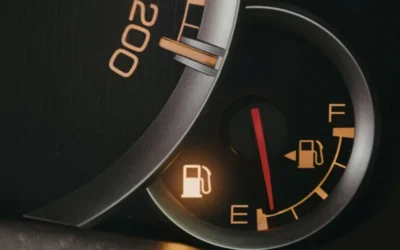
4. Brake Warning Light On Your Dashboard
If your car’s dashboard brake light comes on, it might be signaling low brake fluid or worn pads. Don’t assume it’s just a sensor glitch. Brake system warnings should always be taken seriously.
Visit our shop for a brake inspection so we can determine the exact cause.
5. Longer Stopping Distances
Are you pressing the brake pedal harder than usual? Is your car taking longer to come to a stop? These are critical signs that your brake pads are no longer delivering the stopping power they should.
In an emergency, those extra seconds could be life-changing.
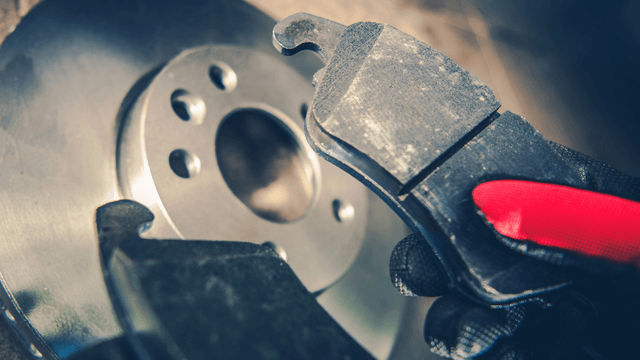
6. Thin Brake Pads (Visual Check)
If you can look through your wheel spokes and see your brake pads, check the thickness. If they appear thinner than 1/4 inch (around 3 mm), they need replacing soon.
Don’t want to guess? Let our ASE-certified team take a look. We’ll give you an honest, pressure-free update.
How Often Should Brake Pads Be Replaced?
On average, brake pads should be replaced every 30,000 to 70,000 miles. However, this range varies based on your vehicle type, driving style, and environment.
If you drive in Yorba Linda or the Placentia area, your brakes may wear faster due to:
- Stop-and-go city traffic
- Hill driving
- Frequent braking in suburban zones
- Heat and dust are affecting the wear rate
We recommend checking your brakes at every oil change—or at least every 6 months. At Yorba Linda Auto Service, we include brake inspections as part of our preventive maintenance services. Explore our services here.
Why Ignoring Brake Pad Warning Signs is Costly
Delaying brake pad replacement doesn’t just risk your safety—it also leads to:
- Damaged brake rotors
- Uneven brake wear
- More costly repairs
- Reduced fuel efficiency
- Failing vehicle inspections
The good news? Brake service is straightforward and affordable when done early. We use high-quality parts and provide a 3-year/36,000-mile warranty on most brake repairs. Learn more about our brake repair process.
What to Expect During Brake Repair at Yorba Linda Auto Service
When you visit us for brake service, here’s what you can expect:
- Comprehensive brake inspection
- Measurement of brake pad thickness
- Check for rotor condition and brake fluid level
- Honest assessment—only necessary repairs recommended
- Clear pricing, no upselling, and fast service
We take pride in our honest, family-run approach. Our shop has been trusted by drivers in Yorba Linda, Placentia, Anaheim, and Fullerton since 2000.
Ready for peace of mind? Schedule your brake inspection here.
Frequently Asked Questions (FAQs)
Q: Can I drive with squeaky brakes?
You can, but you shouldn’t. Squeaky brakes are a key brake pad warning sign. Get them checked to avoid further wear or damage.
Q: How long do brake pads last?
Most brake pads last between 30,000 and 70,000 miles depending on how and where you drive.
Q: Do all brake pads squeal when worn?
Many do, but not all. That’s why combining sound, feel, and visual inspection is important.
Q: Can worn pads cause rotor damage?
Yes. When pads wear too thin, metal-on-metal contact damages the rotor and increases the cost of repair.
The Bottom Line: Stay Ahead of Brake Problems
Brake pads are your first line of defense in avoiding accidents. The earlier you recognize brake pad warning signs, the safer your drive—and the less expensive your repairs.
Whether you’ve heard a squeal, felt a vibration, or just want peace of mind, now is the time to schedule a brake inspection.
Let our expert team at Yorba Linda Auto Service take care of your vehicle with the honesty, skill, and customer service you deserve.
Schedule your brake repair or inspection today at: