What Does My Check Engine Light Mean and How Can Yorba Linda Auto Service Help?
If your check engine light pops on during your commute through Placentia (or anywhere around Yorba Linda), it’s easy to feel that quick wave of stress: Is it serious? Can I keep driving? What’s it going to cost?
The good news: your car is giving you a heads-up, and with the right check engine light diagnosis & troubleshooting, you can usually prevent a small issue from turning into an expensive repair.
In this guide, we’ll explain what does the check engine light mean, what to do when it comes on, and how Yorba Linda Auto Service helps with Check Engine Light Repair, Diagnosis & Troubleshooting right here in Placentia.
What Does the Check Engine Light Mean?
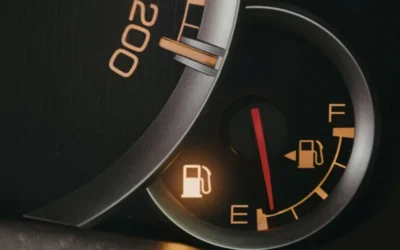
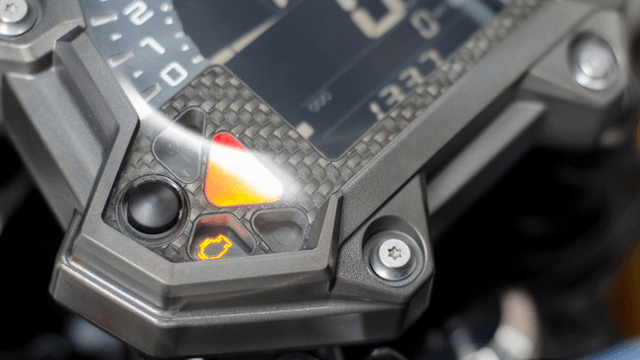
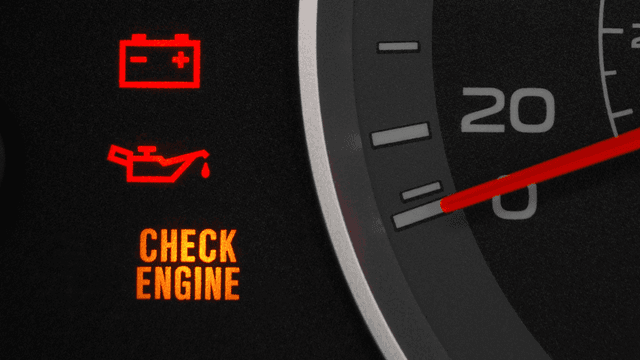
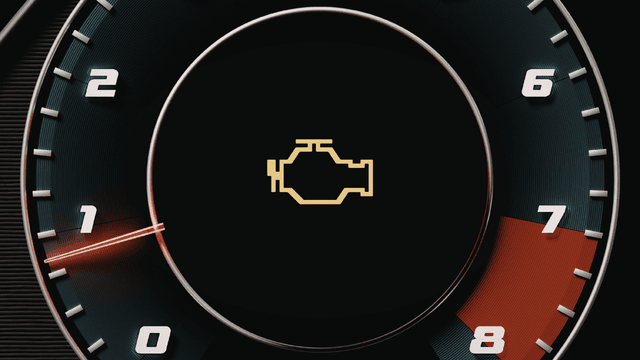
Your vehicle’s check engine light—also called the Malfunction Indicator Lamp (MIL)—is tied to your car’s onboard computer system (OBD-II). When it turns on, the system has detected a fault related to the engine, emissions, fuel, ignition, or other monitored systems.
Sometimes it’s minor (yes, even something like a loose gas cap check engine light situation). Other times, it’s your car warning you about something that can affect performance, fuel economy, emissions, or reliability.
Solid vs Flashing Check Engine Light: What’s the Difference?
This part matters—because your next move depends on it.
Solid Check Engine Light (steady glow)
A solid light usually means a non-immediate fault was detected. You can often drive carefully for a short period, but you should still schedule check engine light diagnostics soon to prevent bigger issues.
Flashing Check Engine Light Meaning (blinking)
A flashing check engine light often signals a more urgent issue—commonly an active misfire that can damage components (like the catalytic converter) if you keep driving.
If it’s flashing:
- Reduce speed immediately
- Avoid hard acceleration
- If the car is shaking, losing power, or running rough, pull over safely and call for help
Check Engine Light On: What to Do (Before You Panic)
Here’s a smart, simple checklist:
- Check your gas cap
- If it’s loose, tighten it until it clicks.
- If the light came on right after fueling, this is a common trigger.
- Notice how the car feels
- Rough idle, hesitation, shaking, power loss, or unusual smells? That’s a clue.
- Look for other warning lights
- Temperature light, oil light, or battery light alongside the CEL can change the urgency.
- Avoid “guess-and-replace”
- A code scan alone doesn’t always equal a diagnosis. You want true check engine light diagnosis (testing + confirmation), not a parts dart throw.
If you’re searching “check engine light diagnostic near me,” the goal is to find a shop that tests properly, explains clearly, and fixes the root cause—not just the symptom.
Common Causes: Why Your Check Engine Light Might Be On
Here are some of the most common issues we see (and the keywords you’ll hear a lot when you’re researching):
- Loose gas cap check engine light (EVAP leak detected)
- Oxygen sensor check engine light (affects fuel trim and emissions)
- Mass air flow sensor check engine light (can cause poor drivability and efficiency)
- Engine misfire check engine light (spark plugs, coils, injectors, vacuum leaks)
- Catalytic converter check engine light (often the result of another problem, not the starting point)
The check engine light is basically your vehicle saying: “Something isn’t operating within spec—please investigate.”
Why Proper Check Engine Light Diagnostics Matter
A lot of drivers assume the CEL means one specific part is bad. In reality, one code can be triggered by multiple causes.
That’s why real check engine light diagnostics should include:
- Reading codes and reviewing supporting data (like freeze-frame information)
- Visual inspection
- System testing to confirm the failure (so you don’t replace parts unnecessarily)
Check Engine Light Diagnostics Placentia CA: How Yorba Linda Auto Service Helps
At Yorba Linda Auto Service in Placentia, we focus on accurate Check Engine Light Repair, Diagnosis & Troubleshooting—so you get answers you can trust and repairs that actually solve the problem.
Here’s what our process typically looks like:
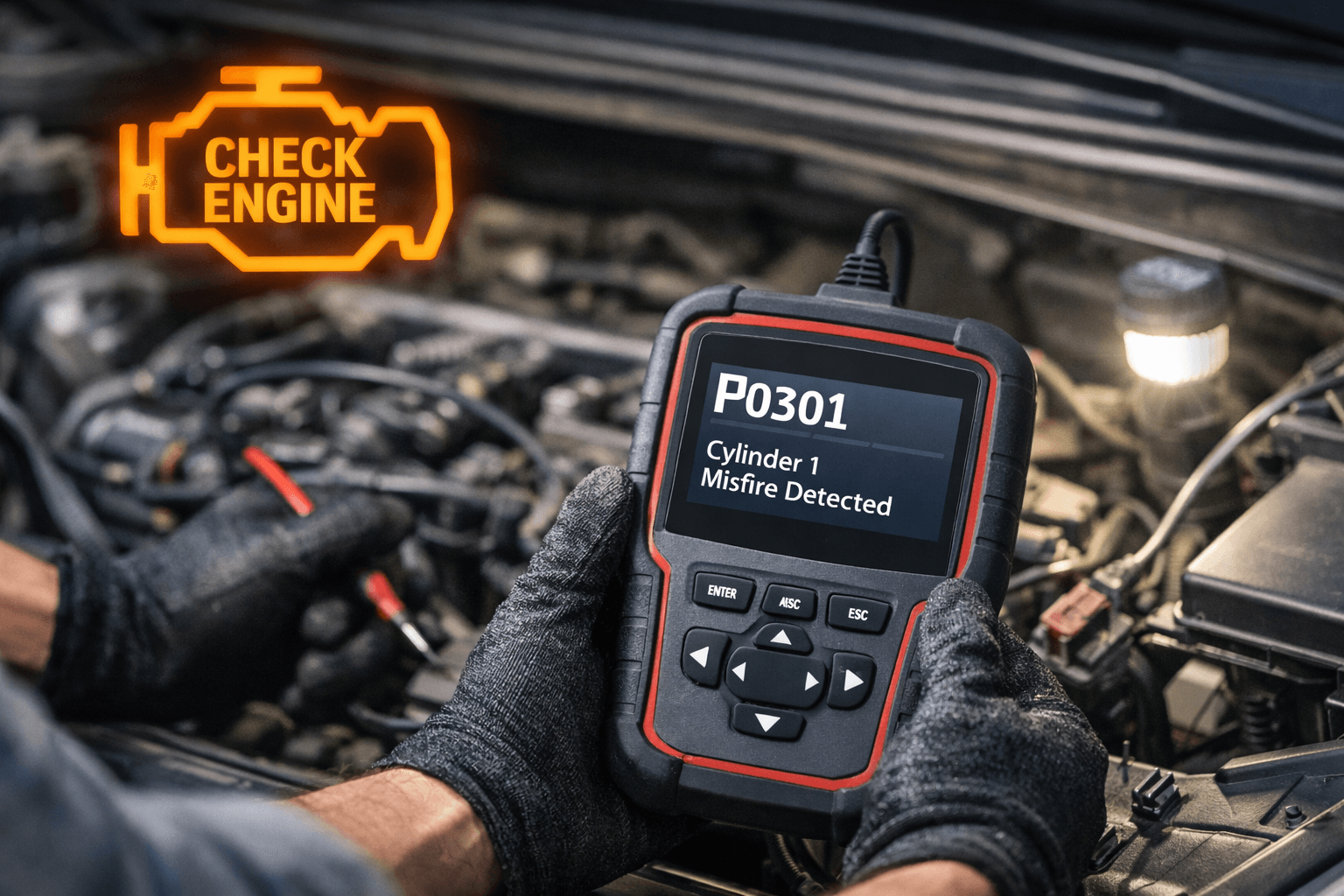
- Scan + interpret the fault codes (OBD-II / MIL related)
- Verify the concern (how the vehicle is running + symptom check)
- Targeted testing based on the system involved (emissions, ignition, fuel, sensors, etc.)
- Clear explanation of what’s happening and what it takes to fix it
- Check engine light repair completed with quality parts and workmanship
And because we’re a AAA Approved Repair facility and an ASE Blue Seal of Excellence shop, you’re getting a team that’s built around verified standards and training.
When You Should Schedule Service Right Away
Book an inspection ASAP if you notice:
- The light is flashing
- Rough running / shaking
- Loss of power
- A strong fuel smell
- Overheating
- Stalling or hard starts
Catching it early can protect your engine, reduce repair cost, and keep your vehicle safe and dependable.
Ready for Answers? We’re Here to Help.
If your light just came on—or it’s been on longer than you’d like—let’s get you clarity fast.
✅ Need Check Engine Light Repair, Diagnosis & Troubleshooting?
Contact us here: Yorba Linda Auto Service – Contact Us
(Prefer to book directly?) You can also schedule here: Schedule an Appointment
FAQs: Check Engine Light Diagnosis & Troubleshooting
- What does the check engine light mean if the car seems fine?
It still means the system detected a fault. Some issues won’t feel obvious at first (especially emissions-related problems), but they can worsen over time. - What should I do when my check engine light turns on?
Start with the basics: check your gas cap, pay attention to drivability, and schedule check engine light diagnostics to confirm what’s going on. - Solid vs flashing check engine light—can I drive?
Solid: often safe to drive short-term with caution, but diagnose soon.
Flashing: treat as urgent—reduce speed and avoid driving if it’s running rough. - Can a loose gas cap really cause a check engine light?
Yes. A loose gas cap check engine light is one of the most common triggers because it can cause an EVAP system leak fault. - Does “Service Engine Soon” mean the same thing?
Often, yes. Service engine soon light and the check engine/MIL are commonly used interchangeably depending on vehicle make and model. - If my code says oxygen sensor, do I just replace it?
Not always. An oxygen sensor check engine light code can sometimes be caused by upstream issues (like vacuum leaks, fuel trim problems, or exhaust leaks). Proper testing confirms the real cause. - Why is a misfire such a big deal?
An engine misfire check engine light situation—especially if it’s flashing—can lead to unburned fuel entering the exhaust, which can overheat and damage the catalytic converter. - I searched “check engine light diagnostic near me”—why choose Yorba Linda Auto Service?
Because we focus on accurate check engine light diagnosis, clear communication, and reliable check engine light repair—backed by being AAA Approved and ASE Blue Seal.
Don’t Guess—Diagnose
The check engine light is your car’s way of asking for attention. Whether it’s a simple fix or something more involved, the smartest move is accurate diagnosis & troubleshooting first—then the right repair.
When you’re ready, we’re ready. Contact Yorba Linda Auto Service, and we’ll help you get back to smooth, confident driving.